By Amos, Dermatology Practitioner (Nurse), with years of experience in surgical treatments, biologics, systemic treatments, lesion clinics, and mole mapping.
Quick answer: A skin tag is a soft, skin-coloured flap that hangs off the skin, usually in folds, and it’s harmless. A mole is a cluster of pigment cells sitting in the skin, often flat or domed, and it’s the one worth keeping an eye on for changes.
If you can’t say for certain which one you’ve got, get it checked, because a few moles can look like skin tags.
In this article
- Mole vs. skin tag: what you’re actually looking at
- Mole vs. skin tag: the warning signs that change the plan
- Removal: what’s simple for a skin tag and what a mole needs first
- Final thoughts
- FAQs
Mole vs. skin tag sounds like a trivial question until the bump in question is yours.
You’re drying off after a shower, your towel catches on something near your collar, and suddenly you’re peering into the mirror at a spot you’ve never properly noticed.
Is it a skin tag? A mole? Something else entirely?
Most of the time, the answer is boring, and boring is good.
But I’ve never been comfortable with “most of the time” as a plan, and neither should you be.
So here’s how to tell the two apart, which signs genuinely matter, and what your options are if you’d rather not keep either one.
Mole vs Skin tag: What You’re Actually Looking At
Skin Tags
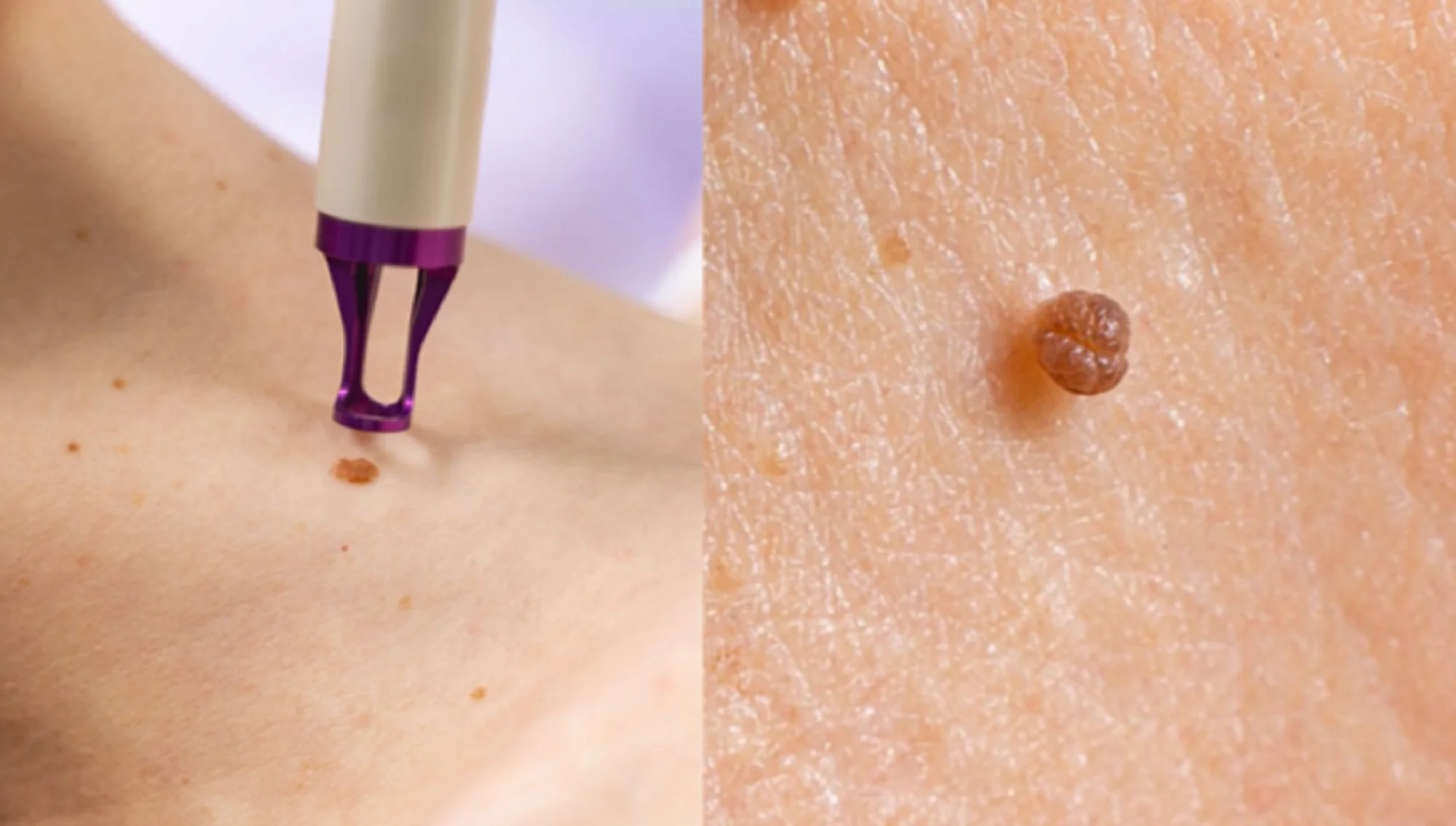
NHS Wales describes skin tags as soft growths that match your skin colour or sit a shade darker, often looking as though they’re dangling from the surface.
They love friction and are found in the necks, armpits, groins, eyelids, under the bust, and anywhere skin folds or rubs against itself.
Size varies widely, from about 2mm to 5cm.
Although nobody really knows why they appear, rubbing seems to play a part, and they turn up more often in people with type 2 diabetes or during pregnancy.
Moles
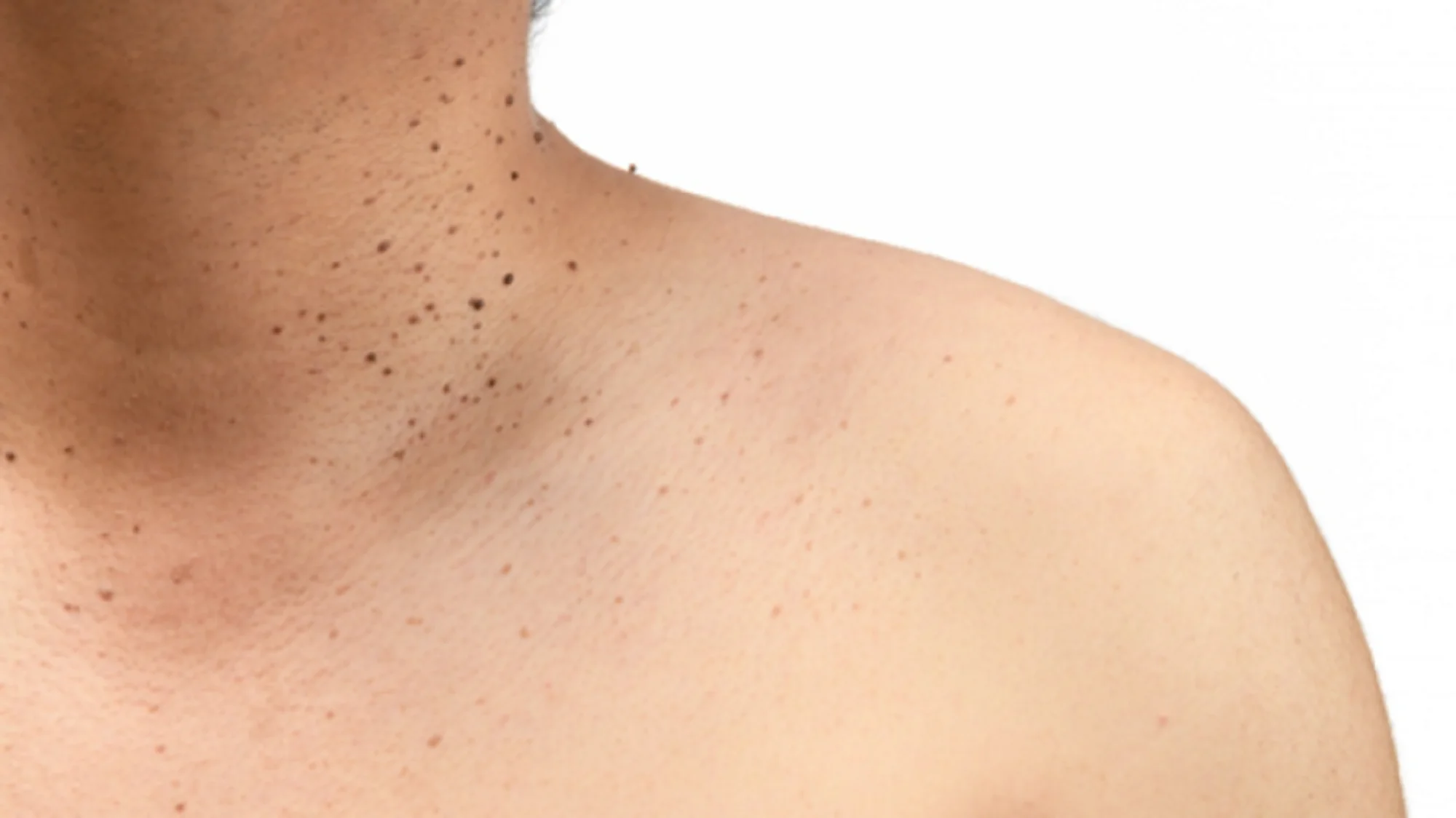
Moles are small coloured spots made of pigment cells called melanocytes, as NI Direct explains.
While everyone has some skin tags, the British Association of Dermatologists notes that the count tends to keep climbing until around 30 to 40.
Most are completely harmless. A small minority is the reason dermatologists are so insistent about checking.
The Quick Comparison Skin Tags vs. Moles
| Skin tag | Mole | |
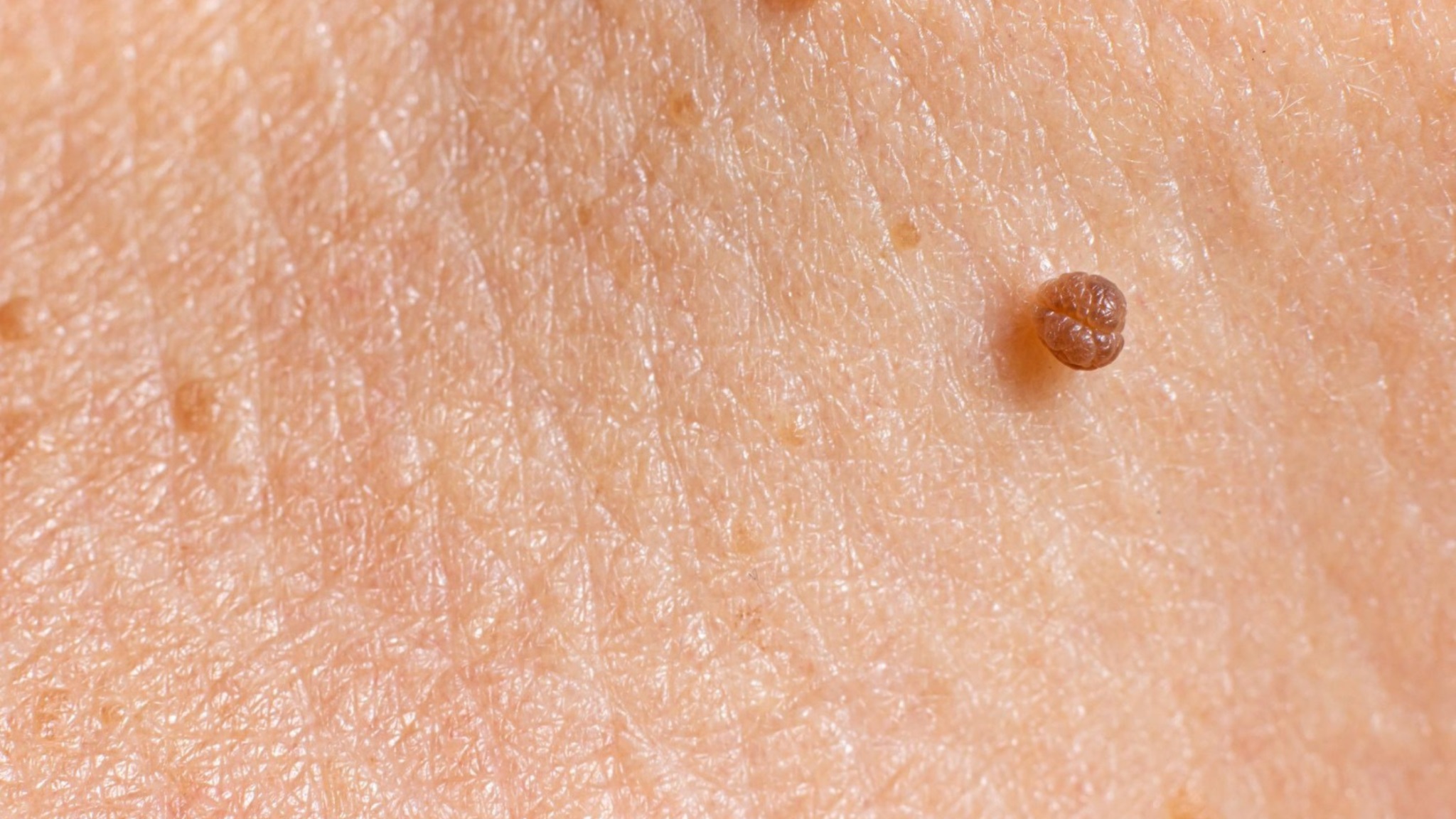
| Shape | Soft flap, often on a narrow stalk | Flat, domed, or raised, with a broader base |
| Colour | Skin-coloured, pinkish or a bit darker | Brown, tan, or black, sometimes flesh-coloured |
| Typical spot | Skin folds and friction areas | Anywhere, often sun-exposed skin |
| Feel | Soft, flexible, moves freely | Firmer, anchored in the skin |
| Cancer risk | Not precancerous | Small chance, so changes matter |
| Needs treatment? | Only if it bothers you | Only if it changes, bothers you, or a clinician advises |
Why the “Wiggle Test” Lets People Down
Plenty of guides suggest that if you can wiggle it, it’s a skin tag. That’s a decent rule of thumb, but I wouldn’t bet my skin on it.
Many dermatologists point out that dermal moles can be flesh-coloured and dangle in a way that looks a lot like a skin tag.
Here’s the practical takeaway, and it’s one most articles skip: a skin tag should have been there a while, stayed roughly the same, and felt soft.
Something that appeared recently, keeps growing, or feels firm shouldn’t be filed under “probably a tag” without someone qualified looking at it.
Mole vs. Skin tag: The Warning Signs that Change The Plan
Skin tags don’t turn into skin cancer. Moles occasionally can, and that’s the whole reason this comparison matters.
Cancer Research UK reports around 19,400 new melanoma cases a year in the UK, making it the fifth most common cancer.
The same charity projects are expected to climb to about 26,500 a year by 2038 to 2040.
Here’s the reassuring bit, though. The same study reveals that around 86% of melanoma cases are preventable, and roughly 92.7% of people diagnosed survive ten years or more.
Catching things early is doing a lot of the work in that second number.
The ABCDE Check, Minus the Jargon
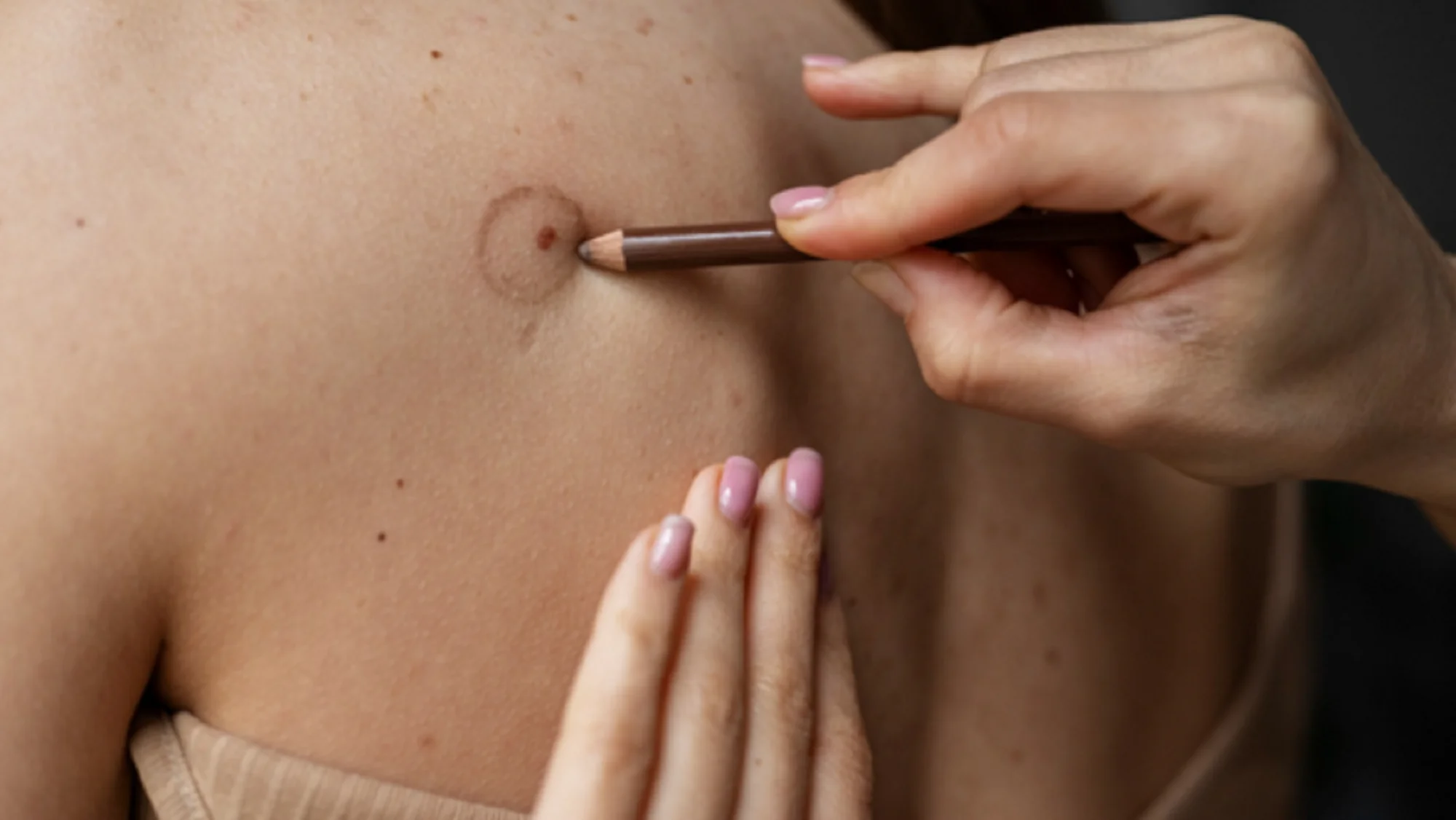
NI Direct recommends the ABCDE method for telling an ordinary mole from a suspicious one. Put simply, look out for:
- Asymmetry: One half doesn’t match the other.
- Border: Ragged, notched, or blurry edges rather than a clean outline.
- Colour: Several shades in one mole, when most ordinary ones have just one or two.
- Diameter: Bigger than your other moles.
- Evolving: Any change at all in size, shape, colour or feel. NI Direct says a mole can change over weeks or months, so a gap of a few weeks doesn’t mean you’re imagining it.
Also worth flagging: a mole that itches, bleeds, crusts, or turns sore without an obvious reason.
Removal: What’s the Step-By-Step Process?
Whether you’ve got skin tags or moles, check out the step-by-step removal process at YourSKin MK!
- Get it assessed before anything else: At YourSkin MK in Milton Keynes, you can send a photo through our free Rapid Assessment service, and we’ll aim to reply within three working days.
- Expect an honest answer: The clinic says that if a lesion is better handled in a hospital, we’ll tell you rather than treat it ourselves.
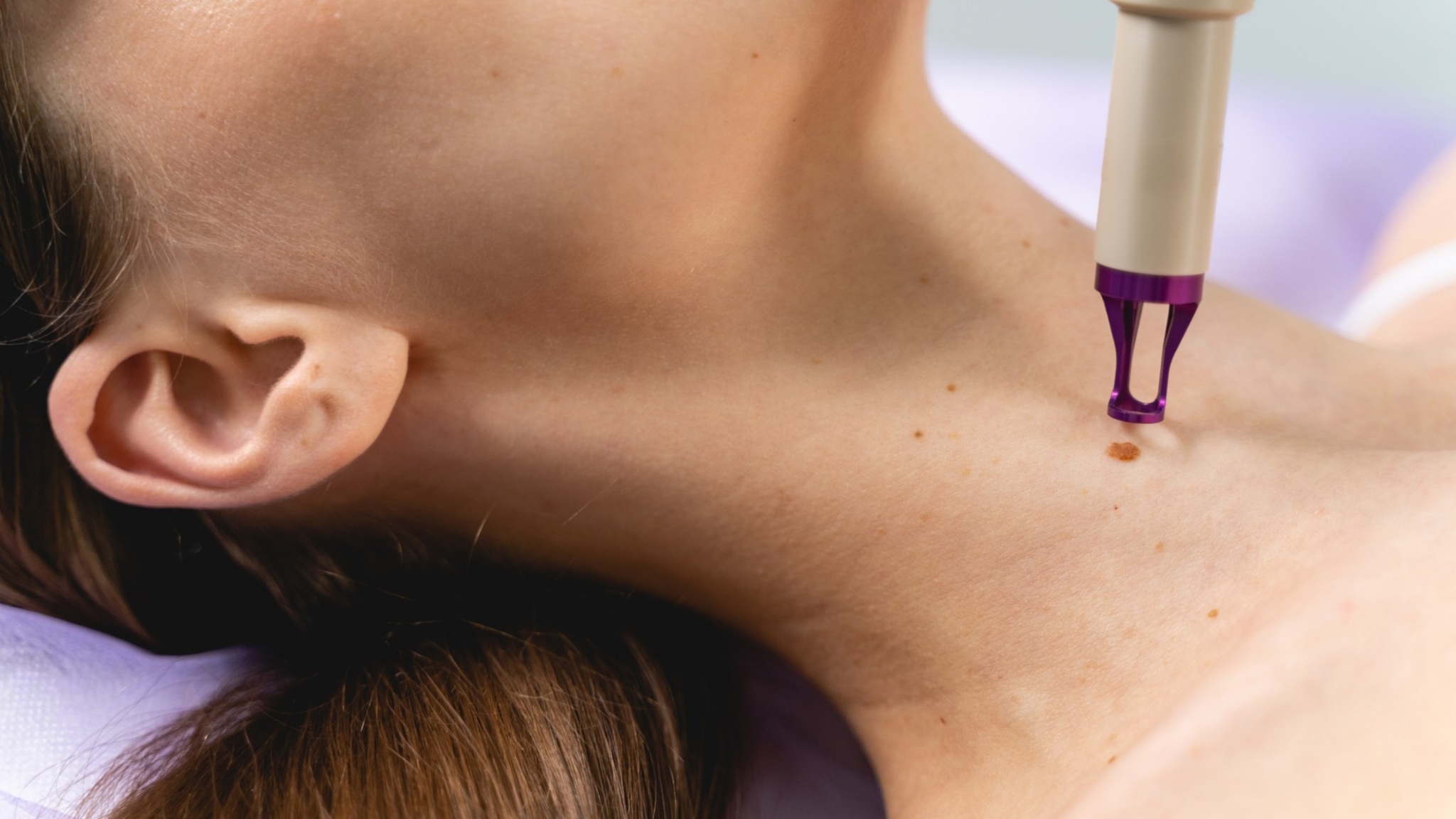
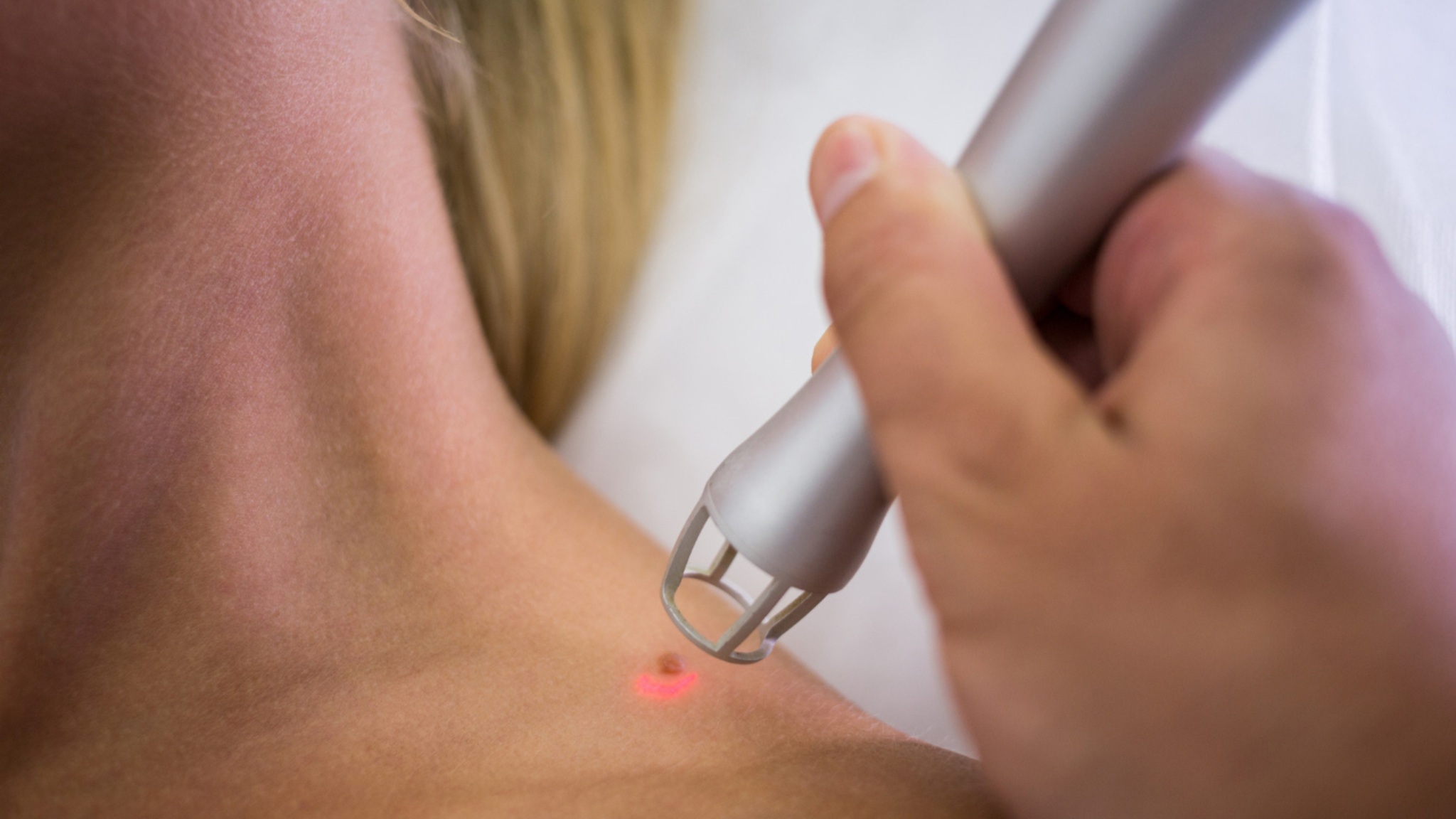
- Choose the method: For skin tags, YourSkin MK offers cryotherapy (liquid nitrogen at around minus 200 degrees Celsius, with a few seconds of mild discomfort) or shave excision, where the tag is removed with a blade for immediate results. We apply the same removal process for moles that can be removed.
- Follow the aftercare: Healing instructions matter more than you might think, especially for the face and neck.
Treatment is carried out by clinicians registered with the GMC or NMC and the Royal College of Nursing, all of whom hold permanent NHS positions.
Why DIY isn’t worth it
Tempting as it is to reach for nail scissors or one of those online “tag removal” kits, we at YourSkin MK strictly advise you don’t perform skin tag or mole removal by yourself.
Honestly, it is a better option to opt for a professional to perform skin tag or mole removal than DIYing and getting it infected.
Final Thoughts
From the above piece, you might now understand the differences between skin tags and moles.
When it’s a skin tag you simply dislike, YourSkin MK offers the safest and most effective skin tag removal in Milton Keynes.
On the other hand, if it’s a mole you’re unsure about, a proper assessment comes first, and the clinic’s Rapid Assessment photo service makes that easier than waiting for a GP slot.
YourSkin MK offers mole removal in Milton Keynes, along with a wider range of skin treatments available to MK residents, from cryotherapy to minor surgery.
Ready to find out what that spot actually is? Visit YourSkin MK to send a photo for a free assessment or book a consultation.
FAQs
How can you tell if a skin tag is a mole or cancerous?
Check for the ABCDE signs, asymmetry, uneven borders, mixed colours, larger diameter and any change over time, and get anything that ticks a box looked at promptly.
True skin tags aren’t precancerous, but moles that resemble them can be, so a new or growing bump shouldn’t just be assumed harmless.
Can a skin tag turn into a mole?
No, they’re separate types of growth. Skin tags form from skin tissue that rubs and folds, while moles come from clusters of pigment cells.
What does happen is that some moles look like skin tags, which is where most of the confusion comes from.
Will a skin tag grow back after it’s removed?
The same one rarely does. From our experience, we can say that a removed skin tag doesn’t usually return, but if you’re prone to them, new ones can appear elsewhere.
Can I send a photo before booking treatment?
Yes, at YourSkin MK, we run a free Rapid Assessment service where you upload a picture of the lesion and receive an honest view on whether it can be treated in clinic or needs a hospital referral. They aim to respond within three working days.
About the Author
Written by Amos, bringing professional dermatology knowledge and clinical experience to every piece of content. Amos shares practical, evidence-informed information on skin concerns, treatments and minor skin procedures to help readers make informed decisions about their skin.